
Guidance for the Control of Listeria monocytogenes
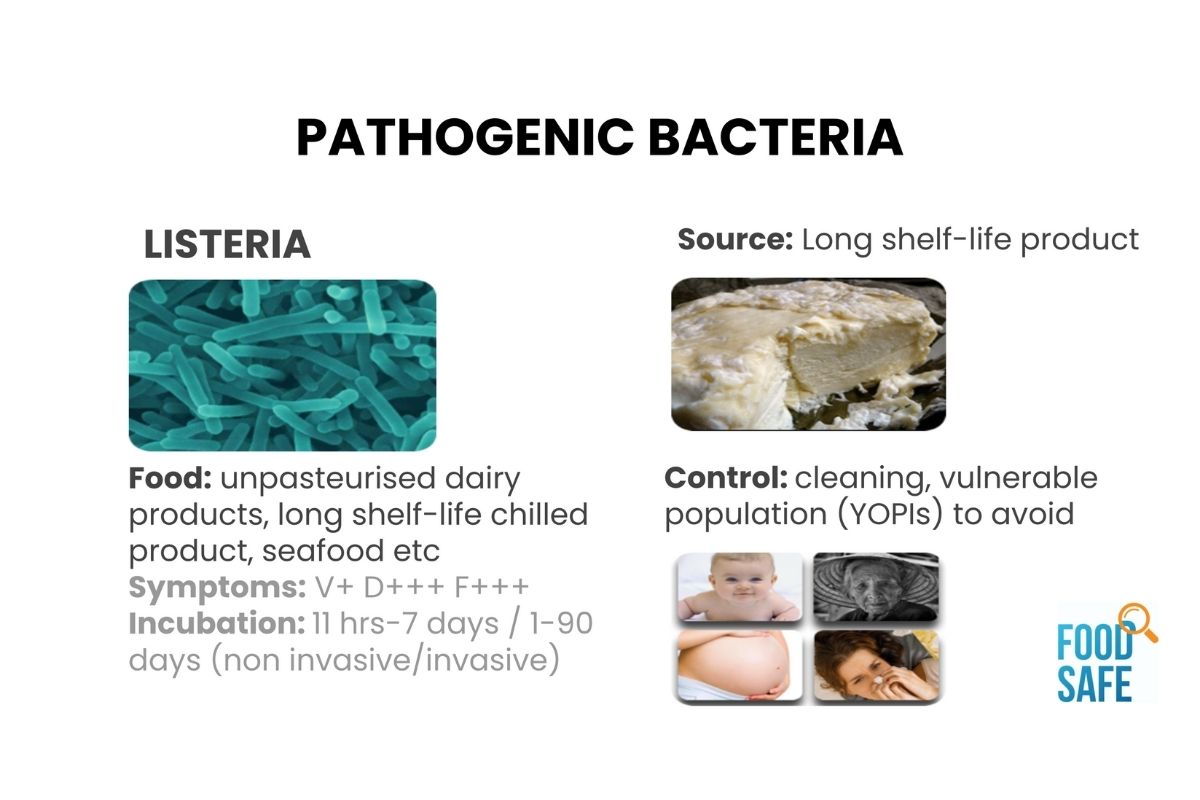
What is Listeria?
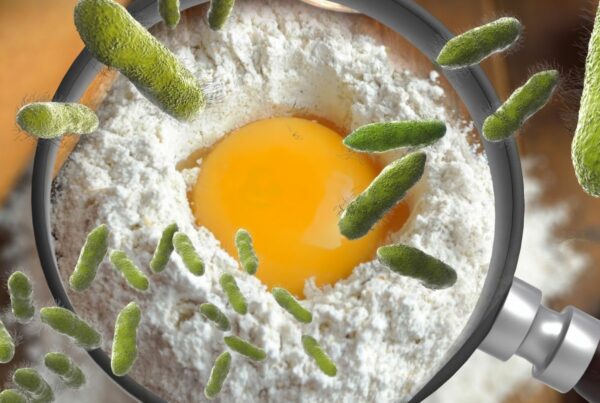
Listeria is a foodborne bacteria that can make you sick. Infection with listeria bacteria is called listeriosis. In healthy adults and children, listeria usually causes few or no symptoms, but some vulnerable people with low immunity are more at risk of severe illness.
What kinds of food pose the most risk?
Food that poses the most risk are:
Uncooked, smoked or ready-to-eat fish or seafood, including oysters, prawns, smoked ready-to-eat fish, sashimi or sushi paté, hummus-based dips and spreads cold pre-cooked chicken ham and all other chilled pre-cooked meat products including chicken, salami and other fermented or dried sausages* pre-prepared or stored salads (including fruit salads) and coleslaws raw (unpasteurised) milk and any food that contains unpasteurised milk* soft-serve ice creams soft, semi-soft or surface-ripened soft cheese (eg, brie, camembert, feta, ricotta, roquefort)*
*Note that the foods on this list are safe to eat if heated thoroughly to steaming hot (ie, above 72°C) where appropriate
Source: Ministry of Health
Concerned about food in the news?
If you have product at home that is involved with a food recall, it should be discarded as per government advisories.
- For the latest on food recalls in New Zealand visit MPI
- If you are concerned about a potential risk to your health, or the health of others, you should seek advice from your medical practitioner, or call the Ministry of Health’s Healthline on 0800 61 11 16.
- If you are concerned about the safety of food products, contact the MPI consumer helpline on 0800 00 83 33.
Food Safe’s Basic and Advanced Food Safety Training programmes include training on pathogens including bacteria such as Listeria and Viruses as well as how to monitor the safety of food and record this. Our trainees understand why this is important and get practice in class actually filling out helpful verification records towards these goals.
所有的食品安全的基础食品安全 培训项目包括在新的食品控制计划和日记,如何监督食品安全,并记录了此次培训。作为一名实习生,你就会明白,为什么这些都是重要的并得到实践类实际上填补了这些记录。
Eager to minimise the risk with best practice food safety training?
You can also call us on 0800 003 097 or email us at [email protected] and we will show you how you too can benefit from our highly rated training programmes.