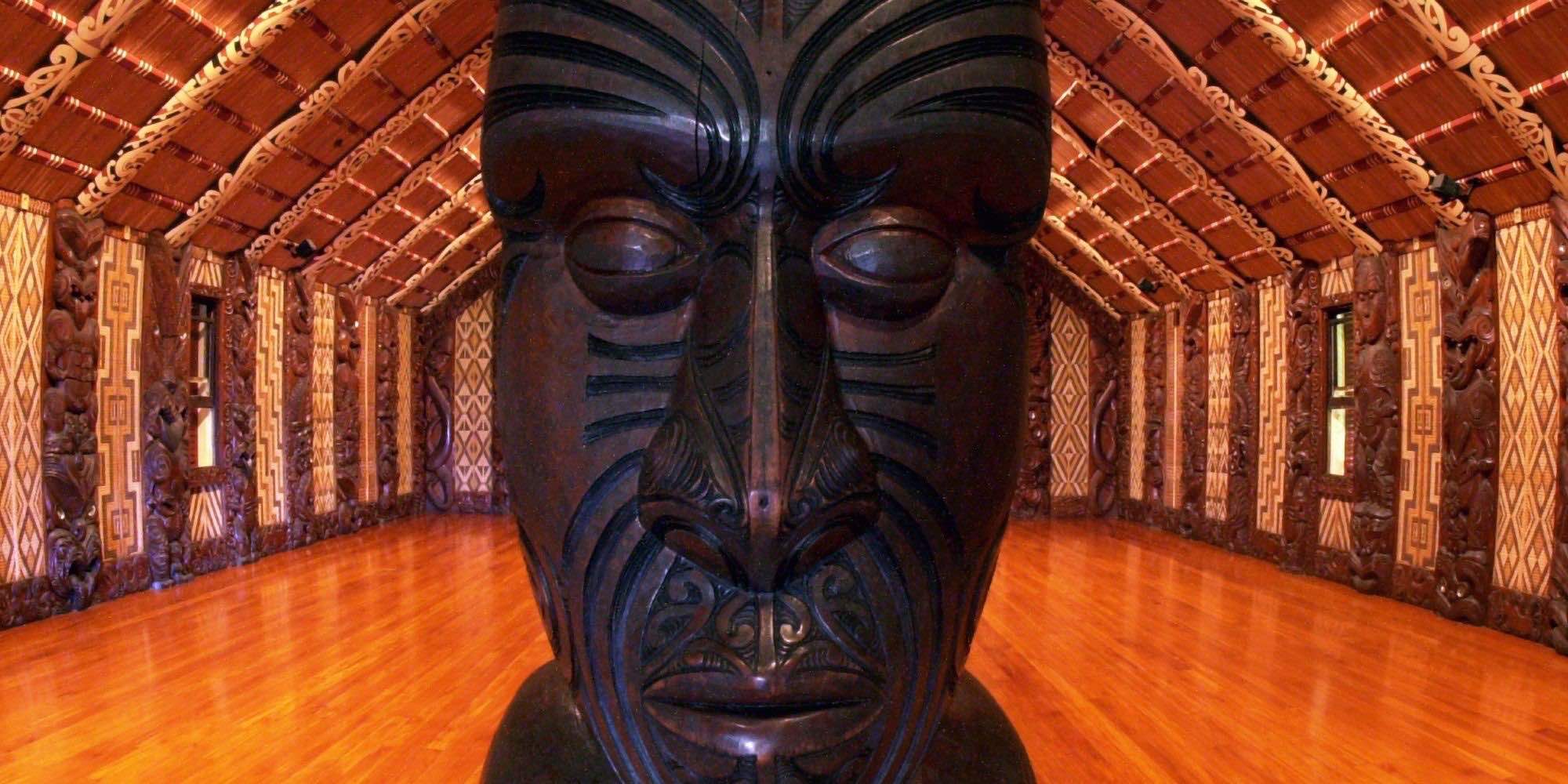
Marae Food Safety Guide
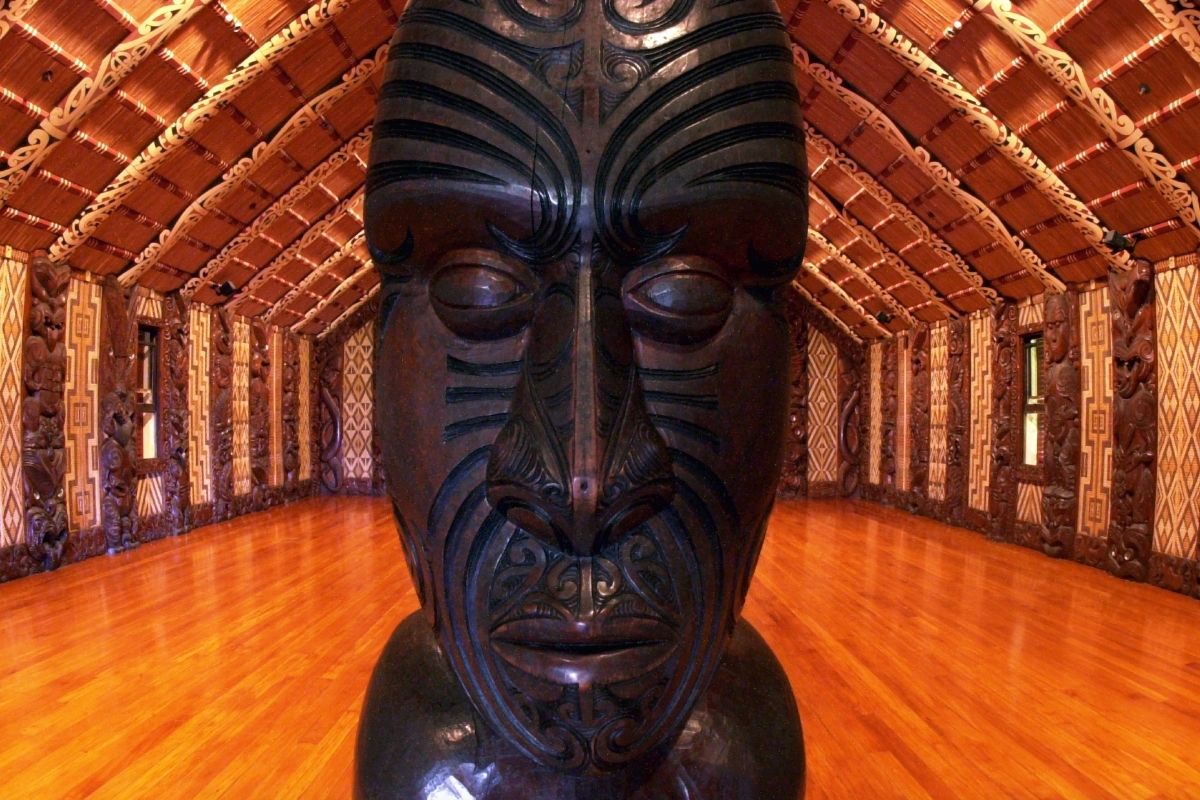
Most food prepared and served on marae will not be covered by the food safety plans and programmes of the Food Act 2014.
Customary food activities
Food prepared and served on marae for customary activities such as tangi is outside the scope of the Food Act 2014, and will not be regulated because the food isn’t sold or traded.
Fundraising
Maraes that are raising funds for charitable, benevolent, or cultural purposes would not need to operate with a Food Control Plan or under a national programme as long as the trading takes place no more than 20 times a year. However, a Marae operating with a Food Control Plan would have unlimited fundraising opportunities. MPI has developed a Marae Food Safety Guide that contains information on food safety and an explanation of Tikanga in this context. When you do have to comply with the Act, food businesses that are operating from a marae, and selling food, will be regulated in the same way as other food businesses. The requirements will depend on the type of food business involved.
Why the Act was changed?
The flexible risk-based approach taken by the Act offers an opportunity for Marae and other community organisations to develop food manufacturing and foodservice practices that are consistent with their Tikanga.
This could offer business, tourism, and employment opportunities in the food sector.
For example, a Marae around Karapiro registered a Food Control Plan (FCP), based on an MPI template, ahead of the Rowing World Cup in 2012 to provide catering services. Other Marae are establishing cafes, catering businesses, and food manufacturing and horticulture businesses.
The current regulatory system, which focuses on premises rather than skills, offers less support for start-up businesses and is not flexible enough to accommodate innovative or traditional practices
Who to contact?
If you have questions about marae food, email [email protected]
Source: MPI
MPI Marae Food Safety Guide
Food Safety practices in preparing and cooking a hāngi:
He whakatairanga I ngā ahuatanga mahi mō te tunu hāngi
A Guide to Home-kill and Recreational Catch:
A Home-kill Quick Guide:
A Wild Foods Guide:
Food Safe has trained many people from Maraes right across New Zealand. Our latest cohort of trainees was from Kaikoura.
The feedback we received was centered around how our training was simple-to-understand with lots of videos and pictures – thereby making the training experience a highly visual one.
If you would like to learn in a fun environment, where a bunch of other trainees share experiences and ask engaging questions, then this is the perfect Food Safety Course for you.
You can also take a look at what our trainees have to say about their training experience with us by clicking on the link below.